The Future of Influence: AI Creators, Virtual Celebrities, and Digital Doppelgängers
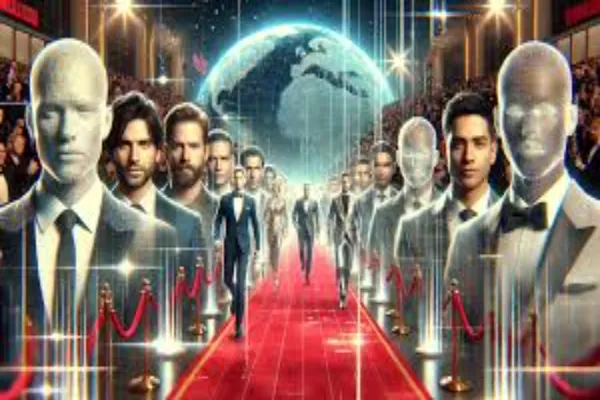
Move over, humans—there’s a new kind of influencer in town. They don’t age, sleep, or cancel brand deals. They don’t have meltdowns, miss deadlines, or tweet recklessly at 3 a.m. They are AI influencers, virtual celebrities, and digital doppelgängers—and they’re not just science fiction anymore.
In 2026, the future of influence is getting weirder, slicker, and more synthetic. From Instagram-famous avatars to AI-generated TikTok stars, digital personas are racking up millions of followers, scoring brand deals, and reshaping what it even means to be “influential.”
So what’s driving this shift? How do AI creators work? And should we be excited, creeped out, or a bit of both? Let’s dive into the strange and fascinating future of influence.
What Are AI and Virtual Influencers?
An AI influencer is a digital persona created using artificial intelligence, often with human-like behavior, speech, or design. A virtual influencer may not use true AI but is still a computer-generated avatar that acts like a real content creator.
Some are controlled by marketing teams or creative studios. Others are semi-autonomous—capable of generating their own captions, visuals, and even interacting with followers in real time using natural language processing.
Popular Types of AI/Virtual Influencers:
- Scripted Avatars (e.g., Lil Miquela)
- AI-Generated Faces and Voices
- Synthetic Humans for livestreams and ASMR
- Digital clones of real influencers or celebrities
The result? A growing field of synthetic influence that feels familiar, looks flawless, and never runs out of content.
Why Brands Are Betting Big on Virtual Talent
AI creators offer brands something human influencers never could: total control. No scandals. No last-minute changes. No burnout. Just endless content with flawless delivery.
Benefits of AI/Virtual Influencers for Brands:
- No human error — You won’t get surprise controversies or off-brand opinions.
- Always on — They can post daily, 24/7, in multiple time zones and languages.
- Customizable look and tone — Perfect alignment with brand identity.
- Lower long-term cost — Once built, they don’t demand higher fees or pay raises.
- Data-driven precision — AI can tailor content to audience behavior in real-time.
It’s not surprising that in 2026, brands across fashion, gaming, beauty, and tech are increasingly hiring AI talent for campaigns, collabs, and virtual events.
Real Examples of AI and Virtual Influencers
Some synthetic influencers are already outperforming human ones:
1. Lil Miquela
A virtual fashion model and musician created by Brud. She’s landed deals with Prada, Calvin Klein, and Samsung.
2. Noonoouri
A stylized digital influencer known for luxury fashion content. She’s modeled for Dior and Valentino—and has over 400k Instagram followers.
3. Kyra
India’s first virtual influencer, targeting the Gen Z and millennial audience with travel, lifestyle, and fashion content.
4. FN Meka (controversial)
An AI rapper signed (and quickly dropped) by Capitol Records after criticism over cultural appropriation. This case exposed the ethical risks of synthetic identity.
These examples show both the potential and pitfalls of AI fame.
The Rise of Digital Doppelgängers
Here’s where it gets even more interesting: real influencers are now cloning themselves.
With tools like Synthesia, Hour One, and ElevenLabs, creators can make AI versions of themselves that:
- Speak in their own voice
- Mimic their style and tone
- Film videos, host webinars, or respond to comments—all without their physical presence
This allows influencers to scale content creation in ways previously impossible. A popular YouTuber could have 5 AI clones making localized content for different countries at the same time.
Sound insane? It’s already happening.
What Does This Mean for Human Influencers?
AI may be powerful—but it’s not replacing real people just yet. In fact, many audiences still prefer human creators because they offer what algorithms can’t: emotion, experience, and unpredictability.
Human vs. AI: What Audiences Prefer
| Trait | Human Influencers | AI Creators |
|---|---|---|
| Emotional Authenticity | ✅ High | ❌ Limited |
| Scalability | ❌ Low | ✅ High |
| Risk of Controversy | ✅ Yes | ❌ No |
| Creative Flexibility | ✅ Unique | ❌ Patterned |
| Brand Control | ❌ Shared | ✅ Full |
The future may not be AI vs. humans, but AI with humans—creating hybrid content, co-hosting streams, or filling in during off-hours.
Ethical Questions Around Virtual Influence
With great tech comes great ethical gray areas.
Concerns include:
- Fake relatability — Audiences bonding with “people” who don’t exist
- Cultural appropriation — Using virtual avatars to borrow aesthetics or identities without accountability
- Misinformation risks — AI-generated influencers spreading misleading info faster than it can be fact-checked
- Job displacement — Especially for small creators or UGC professionals
As virtual influence grows, transparency will be key. Audiences need to know when they’re watching AI—and brands need to lead responsibly.
Conclusion
The future of influence is part human, part machine—and fully disruptive. AI creators, virtual celebrities, and digital doppelgängers are not only real—they’re here, trending, and shaping a new era of content.
But while tech may replace some roles, it can’t replace the human need for connection, messiness, and meaning. The influencers of tomorrow might be digital, but the ones we trust will always feel real.
For brands, creators, and audiences, the next chapter of influence is synthetic, scalable—and more complex than ever.