It’s a story we’ve seen over and over again: an influencer with millions of followers suddenly spirals. Maybe it’s a bizarre rant, a livestreamed breakdown, or a tone-deaf post that ignites a cancellation firestorm. The headline is always the same: Influencer Goes Wild—but what if …
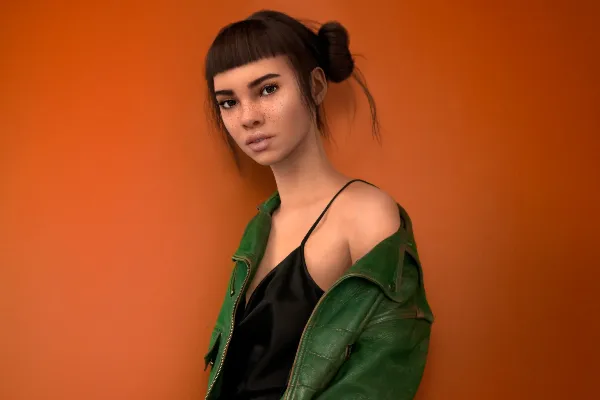
Move over, humans—there’s a new kind of influencer in town. They don’t age, sleep, or cancel brand deals. They don’t have meltdowns, miss deadlines, or tweet recklessly at 3 a.m. They are AI influencers, virtual celebrities, and digital doppelgängers—and they’re not just science fiction anymore. …
In the fast-paced world of social media, content is king—but algorithms rule the kingdom. Whether it’s TikTok’s For You Page, Instagram’s Explore tab, or YouTube’s recommended feed, algorithms decide who gets seen and who gets buried. Influencers have figured that out. And they’re not just …
Remember when being “famous” meant walking red carpets, starring in blockbuster films, or dominating the Billboard charts? Fast forward to 2026, and fame looks a little different. Today, a teenager in Ohio can out-trend a Hollywood actor with a single TikTok. A beauty vlogger can …
Love them or hate them, influencers know how to stir the pot. In the wild world of social media, fame is often fueled by controversy, and scandal is practically a career stage. Whether it’s a tone-deaf post, a full-on cancellation, or a feud that explodes …
Once upon a scroll, perfection was everything. Influencer feeds were flawless—aesthetic brunches, immaculate skin, designer closets, and not a hair (or hashtag) out of place. But in 2026, the rules have flipped. A new era has arrived: the age of unfiltered influencers. Today’s audiences are …
Social media has created millionaires out of everyday people. But behind the ring lights and curated selfies lies a far messier reality. Welcome to the world of influencers gone wild—a place where fame meets friction, boundaries blur, and engagement often comes at a cost. While viral success might look effortless, it can also spiral into scandal, chaos, and controversy. Whether you’re here for the tea or the truth, this post dives deep into what happens when influencers push things too far.
At influencers-gone-wild.com, we peel back the layers. We explore the real stories, wild moments, and business mechanics behind social media’s most explosive personas. This isn’t just drama for clicks—it’s a cultural shift reshaping entertainment, marketing, and even mental health. If you’ve ever watched an influencer meltdown in real-time or wondered how scandals actually impact their bottom line, you’re in the right place. Let’s get into it.
Key Takeaways
Influencers gone wild describes viral moments when social media creators cross ethical or social lines for fame.
Our site, influencers-gone-wild.com, dives deep into these stories with context, commentary, and exclusive insights.
Wild content can lead to money, fame, backlash—or all three.
Mental health, audience manipulation, and algorithm pressure all play a role in influencer chaos.
Brands, fans, and platforms are learning how to respond, regulate, or capitalize on these trends.
What Is “Influencers Gone Wild”?
The phrase “influencers gone wild” might sound like clickbait, but it describes a very real trend: social media creators behaving outrageously, often to game the algorithm, provoke a reaction, or break through the content noise.
These aren’t just one-off scandals or PR stunts—they reflect a broader shift in the influencer economy where controversy has become a growth tactic. From viral TikTok feuds to Instagram overshares, wild behavior isn’t always accidental. Often, it’s the strategy.
At influencers-gone-wild.com, we track these trends, exposing the how and why behind the mayhem. We don’t just highlight bad behavior; we explore what drives it—whether that’s pressure to perform, brand deals gone wrong, or audiences rewarding drama over value.
Real-World Examples of Going Wild
Some influencers cross the line and find themselves instantly trending—for better or worse. A few standout examples:
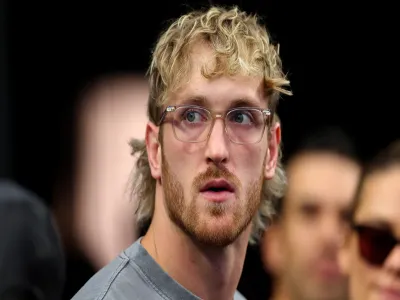
Logan Paul’s infamous video from Japan’s “suicide forest” led to widespread condemnation and demonetization.
Belle Delphine went viral for selling her “gamer girl bathwater”—a stunt that blurred satire and exploitation.
Gabbie Hanna, once known for lighthearted content, had a public meltdown across multiple platforms.
OnlyFans stars leaking exclusive content across social media for promo buzz—sparking both fame and legal gray areas.
Each case reveals a different layer of what it means to “go wild”—from shocking stunts to genuine mental health struggles.
What Drives Influencers to Go Wild?
OliviaMaeBae
Let’s be honest: social media is a performance. Every post, story, or tweet is part of a curated public persona. But the pressure to stay relevant, relatable, or viral often leads creators to push further—sometimes into unsafe territory.
Wild behavior becomes not just rewarded—it becomes the expectation.
Quick Table: What “Works” in the Algorithm
Tactic
Why It Works
Risk Level
Outrageous Opinions
Sparks debate
Medium
Staged Drama
Drives views/comments
High
Overexposed Personal Life
Builds parasocial bonds
Medium
Dangerous Stunts
Viral potential
Very High
Mental Health and Burnout
Being “on” 24/7 is exhausting. Many influencers experience:
Burnout: Creative fatigue from constant content production
Body dysmorphia: Caused by filters and toxic comparison
Depression: Due to online hate, relentless pressure, and isolation
Anxiety: Triggered by fear of irrelevance or public backlash
Behind every perfectly lit video or relatable story, there’s often a creator barely holding it together. The performative nature of influencer life can be emotionally draining, especially when one wrong move can lead to cancellation.
At influencers-gone-wild.com, we highlight these stories—not to mock, but to understand the emotional cost behind curated chaos. Fame isn’t free, and for many, the price is peace of mind.
The Business of Wild Content
Going viral might look spontaneous, but in many cases, it’s carefully calculated. Influencers and their teams understand that outrage can translate into income. With every scandal comes a new audience, new clicks, and often, new opportunities.
How Influencers Monetize the Madness
Here’s how creators turn wild behavior into profit:
Sponsored Apologies: Branded “I’m sorry” videos or merch drops tied to the scandal
Subscription Platforms: Like OnlyFans, Patreon, or Fansly—offering exclusive, often NSFW content
Ad Revenue: Controversy drives traffic, which means more monetized views
Crisis Merch: Limited-time merch lines launched during drama or cancellation
There’s a twisted irony here: going wild can tank your reputation while boosting your bank account. On influencers-gone-wild.com, we unpack how influencers balance controversy and conversion—and what happens when they get it wrong.
Brands and the Risky Business of Influencer Marketing
You’d think brands would run from controversy, but many still partner with influencers who’ve “gone wild.” Why? Because numbers still talk.
Why Brands Still Take the Risk
Influencers bring:
Huge reach in niche communities
High engagement that beats traditional advertising
Strong emotional bonds with followers
Even when influencers behave badly, brands sometimes gamble that their exposure is worth the heat. Others insert “morality clauses” in contracts to protect themselves if things go sideways.
For marketers and creators alike, it’s a tightrope walk between relevance and risk. At influencers-gone-wild.com, we explore how this complex ecosystem works—and who gets burned.
The Legal and Ethical Grey Areas
Logan Paul
The internet evolves faster than the law. Influencer behavior often walks the line between outrageous and outright illegal—and sometimes crosses it.
Common Legal Issues Facing Influencers
Here are some common traps:
Legal/Ethical Issue
Description
Undisclosed Sponsorships
Violates FTC guidelines
Misinformation or Scams
Can lead to lawsuits or bans
Copyright Infringement
Unauthorized use of music or content
Defamation
False claims about individuals or companies
Terms of Service Violations
Can result in demonetization or bans
There’s also a rising call for regulation. Think: verified ethical marketing standards, mandatory disclosure tools, and even mental health protections in creator contracts.
How to Spot the Difference: Authenticity vs Performance
In an age of filters, bots, and bought followers, how do you know which influencers are legit?
Look for:
Transparency: Clear disclosures and behind-the-scenes content
Consistency: Same values, regardless of trends or pressure
Community engagement: Meaningful interaction, not just numbers
Accountability: Ability to take criticism and grow from it
The more chaotic the space becomes, the more audiences crave realness. At influencers-gone-wild.com, we celebrate creators who use their platforms for impact—not just attention.
Conclusion
The influencer world is evolving—and not always for the better. As creators chase virality, controversy, and clicks, the lines between performance and personal life keep getting fuzzier. Influencers gone wild isn’t just a trend—it’s a symptom of deeper issues in the digital creator economy.
But it’s not all doom and drama. As audiences grow savvier and platforms push for more ethical practices, there’s hope for a more balanced future. One where creators are supported, audiences are respected, and wild moments are the exception, not the rule. Until then, sites like influencers-gone-wild.com will keep reporting on the chaos—unfiltered and unapologetically real.
FAQs
What does “influencers gone wild” mean?
It refers to influencers acting outrageously or unethically to gain attention online. This might include stunts, scandals, or controversial opinions meant to go viral.
Not always. Some influencers break down under pressure, while others plan drama as part of their strategy. Either way, the attention it generates is very real.
What kind of content is on influencers-gone-wild.com?
We offer breakdowns, commentary, case studies, and news about influencer scandals, viral content, and the business behind it all—raw and real.
Are influencers held accountable for bad behavior?
Sometimes. Some face public backlash, brand cancellations, or legal trouble. Others bounce back stronger, depending on how they handle the fallout.
How can I tell if an influencer is authentic?
Watch for transparency, consistency, humility, and positive engagement with their community. Realness stands out—so does fakery.
Do brands still work with controversial influencers?
Surprisingly, yes. Some brands prioritize reach over reputation, but others are getting more cautious with stricter contracts and vetting processes.
What are some risks influencers face when they go viral for the wrong reasons?
They risk mental health issues, lost partnerships, public shaming, and sometimes permanent damage to their reputation.
Can influencers recover from a scandal?
Yes, but it depends on the severity of the incident and their response. Apologies, rebranding, and transparency help—but some never regain trust.
Why are people so fascinated by influencer drama?
Because it’s like reality TV with real stakes. The drama, conflict, and behind-the-scenes access are addictive—and a reflection of our culture.