The Dark Psychology Behind Influencer Culture — And Why Audiences Love It
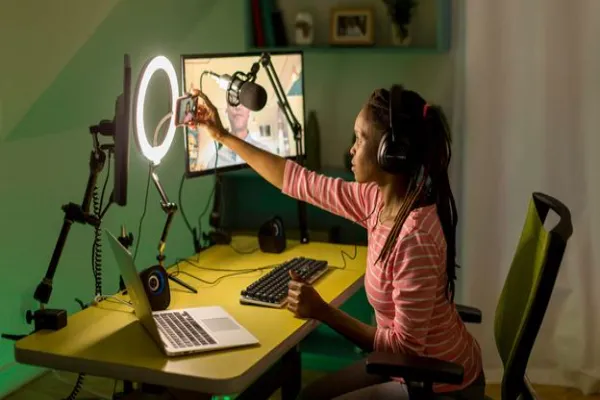
Influencers dominate our screens—and our minds. With every scroll, we’re bombarded by curated lifestyles, dramatic scandals, and perfectly timed content drops. But beneath the surface of brand deals and flawless selfies lies something deeper—and darker. The influencer economy isn’t just about fame or followers; it’s powered by human psychology.
Why do influencers behave the way they do? Why are audiences so hooked, even when they claim to hate the drama? Welcome to the unsettling intersection of manipulation, attention addiction, and emotional voyeurism. This post explores the dark psychology behind influencer culture—and why we, the audience, can’t seem to look away.
Influencer Culture Is Engineered for Emotional Hijacking
Let’s get one thing straight: influencer content isn’t as spontaneous as it looks. Every “random” story, raw confession, or behind-the-scenes moment is often strategically curated to manipulate emotion and maximize engagement.
Here’s how they do it:
- Emotional Storytelling: Sharing vulnerable, tear-jerking moments creates connection and loyalty. It activates empathy—and empathy drives likes, shares, and follows.
- FOMO Triggers: Influencers flaunt luxury, travel, or exclusive events to make audiences feel left out unless they “follow for more.”
- Scarcity Psychology: “Only 100 spots left!” or “24-hour drop!” taps into our innate fear of missing out—driving urgency and impulsive purchases.
- Parasocial Bonding: Audiences develop one-sided emotional relationships with influencers, believing they know them personally. This bond can feel more real than relationships in real life.
The result? Influencers become not just entertainers—but emotional manipulators. And we eat it up.
The Dopamine Loop of Social Validation
Influencers aren’t the only ones hooked. Audiences are part of the game too—and psychology explains why we keep coming back.
Every like, view, or comment we give releases a small dose of dopamine (aka the “feel good” chemical). And the influencer’s content? It’s built to trigger that high.
Think:
- Relatable memes that make you laugh and feel “seen”
- Controversial hot takes that make you want to argue or comment
- Gossip or drama that makes your own life feel less messy
This is classic operant conditioning—you’re being rewarded with micro-feelings of excitement, belonging, or superiority every time you engage. No wonder you’re still scrolling at 2 a.m.
The Dark Side of Perfection: Comparison and Insecurity
On the surface, influencer content is aspirational. But underneath, it can be psychologically damaging—especially when perfection is the norm and struggle is just another aesthetic.
What this leads to:
- Imposter Syndrome: Constant exposure to success stories can make followers feel inadequate, even when they’re doing fine.
- Body Image Issues: Heavily filtered photos and surgical enhancements normalize impossible beauty standards.
- Lifestyle Envy: Jet-setting, brand collabs, endless free stuff—it paints a reality most people can’t afford, creating quiet resentment.
Influencers say “don’t compare,” but comparison is exactly what keeps the views coming. The industry profits from your insecurity—and it’s designed that way.
Why Do Influencers “Go Wild”?
You’ve seen the meltdowns. The apology videos. The public breakdowns. But behind the spectacle is another layer of psychology: performance pressure, dopamine addiction, and algorithmic anxiety.
Many influencers live in a constant state of:
- Validation Seeking: Every post is a performance. Every like is proof they’re still relevant.
- Escalation Behavior: When audience engagement drops, some creators push boundaries—more drama, more skin, more shock.
- Burnout and Breakdown: The need to stay visible 24/7 leads to mental health crises, masked by filters and forced smiles.
Ironically, when they do fall apart, the audience watches even closer. That emotional proximity? It’s addictive—for both sides.
Why Audiences Love the Chaos
You might roll your eyes at influencer scandals, but there’s a reason millions follow every update. Influencer drama is like reality TV with real stakes—raw, messy, and interactive.
So why are we so obsessed?
- It’s Emotional Catharsis: Watching someone else spiral gives us a release. It’s drama, but it’s not our drama.
- Moral Superiority: Audiences love judging from the sidelines. It makes us feel smarter, better, or more grounded.
- Community and Commentary: Scandals spark debates, memes, and collective analysis. It creates a shared social experience.
- Curiosity Kills the Cat: Humans are hardwired to follow stories—especially unresolved ones.
Influencer content is engineered like a psychological cliffhanger: you always need to know what happens next.
Influencers as Modern-Day Mirrors
Here’s the kicker: influencer culture reflects who we are as a society. Our obsession with attention, validation, consumption—it’s not just their problem. It’s ours.
They expose:
- How easily we reward controversy over character
- Our willingness to trade authenticity for aesthetics
- A culture where “relatability” is a brand, not a trait
We love influencers because they reflect the most extreme, emotional, and exaggerated versions of ourselves. Watching them go wild is both entertaining and disturbingly familiar.
Conclusion
Influencer culture is more than pretty pictures and promo codes—it’s a psychological battleground. Behind every viral video is a web of manipulation, performance, and emotional influence designed to keep you watching, reacting, and comparing.
But maybe that’s why we love it. The drama. The beauty. The downfall. It’s a digital soap opera where we play both the audience and the judge.
The next time you find yourself caught in an influencer rabbit hole, ask yourself: Are you being entertained… or emotionally engineered?