Are Influencers the New Celebrities? The Truth Behind Their Massive Influence
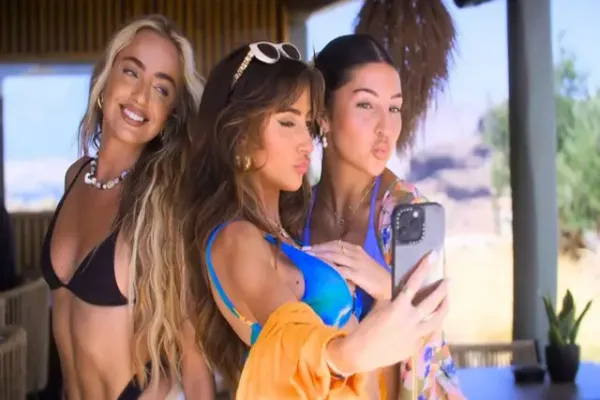
Remember when being “famous” meant walking red carpets, starring in blockbuster films, or dominating the Billboard charts? Fast forward to 2026, and fame looks a little different. Today, a teenager in Ohio can out-trend a Hollywood actor with a single TikTok. A beauty vlogger can sell out an entire skincare line in 24 hours. A gaming streamer can pull more viewers than prime-time television.
The lines between influencers and celebrities have officially blurred—and in many cases, influencers are winning.
But are influencers really the new celebrities? Or is this just a digital bubble waiting to pop? Let’s unpack the evolution, the impact, and the undeniable truth behind their massive cultural sway.
What Defines a Celebrity in 2026?
Traditionally, a celebrity was someone who gained fame through established industries: movies, music, sports, or television. Their image was carefully managed, their access limited, and their influence top-down.
In contrast, today’s influencers rise from the bottom up. They’re:
- Self-made content creators
- Directly connected to their audiences
- Multiplatform personalities—often active on TikTok, YouTube, Instagram, and even Twitch
- Brand builders with their own product lines, podcasts, or events
In short: influencers are celebrities born of the internet age—and they’re rewriting the fame playbook.
Why Influencers Now Rival Traditional Celebs
So, why have influencers become just as powerful (if not more so) than traditional stars?
1. Accessibility = Relatability
Influencers feel approachable. They talk to their followers in DMs, reply to comments, and share everyday life moments—something celebrities rarely do. This creates a parasocial relationship where followers feel personally connected.
2. Niche Power
A celebrity might appeal to the masses, but influencers thrive in micro-niches—from plant-based meal preppers to ADHD lifestyle vloggers. Their smaller, targeted audiences are deeply engaged and loyal.
3. Content Velocity
Influencers produce content daily. Celebrities release projects a few times a year. Influencers stay top of mind by showing up constantly—on your feed, on your phone, in your life.
4. Cultural Impact
From slang to trends, influencers are now shaping culture. Whether it’s Emma Chamberlain redefining fashion minimalism or Khaby Lame humorously critiquing life hacks, influencers set the tone for what’s cool.
Influencers in Pop Culture, Media & Business
The impact is no longer just digital—it’s mainstream.
- Met Gala appearances (yes, influencers now walk the same carpets as A-listers)
- Book deals, TV cameos, and fashion collabs
- Major brand ambassadorships (Dunkin’, Dior, Samsung, you name it)
- Full-fledged business empires, from makeup to merch to fitness apps
Today, the term “celebrity” often includes influencers by default. And some—like MrBeast, Charli D’Amelio, and Logan Paul—are household names with influence that rivals traditional stars.
How Brands View Influencers vs. Celebrities
From a brand perspective, influencers are a dream:
| Feature | Celebrities | Influencers |
|---|---|---|
| Reach | Massive but broad | Targeted and loyal |
| Cost | Very high | More scalable |
| Engagement | Low to moderate | High and personal |
| Trust Factor | Fame-based | Relatable + authentic |
| Content Production | Agency-led | Self-driven and fast |
In 2026, most marketing budgets allocate more toward influencers than traditional celebrity endorsements—especially in fashion, beauty, tech, wellness, and lifestyle niches.
The Celebrity-Influencer Hybrid is Here
We’re now seeing a new category emerge: celebrity-influencer hybrids. These are influencers who cross into Hollywood or celebrities who build influencer-like followings.
Examples include:
- Addison Rae (from TikTok to Netflix star)
- Emma Chamberlain (YouTube to fashion’s elite darling)
- The Rock & Ryan Reynolds (leveraging social media like seasoned influencers)
This hybrid model merges reach + relatability, creating a new kind of fame that’s both powerful and profitable.
Are Influencers Replacing Celebrities?
Not exactly—but they’re redefining what celebrity means.
Influencers aren’t eliminating old-school fame; they’re coexisting with it—and often outperforming it in digital spaces. While celebrities still dominate traditional media, influencers own social platforms, youth culture, and niche markets.
The result? A fragmented fame landscape where you don’t need to be globally known to be massively influential.
The Flip Side: Fame Without Privacy
Of course, the influencer path to stardom comes with its own dark side:
- Constant content pressure
- Invasive fan culture
- Online harassment
- Lack of boundaries between public and private life
Being “always on” for followers can lead to burnout, mental health struggles, and a warped sense of self. And because influencers often monetize their personal lives, every scandal or breakup becomes content.
Conclusion
Influencers are no longer the underdogs—they’re the new celebrity class. With direct access to their audiences, the power to shape culture, and brand-building savvy, they’ve carved out a form of fame that’s flexible, fast-moving, and deeply personal.
In 2026, the question isn’t whether influencers are celebrities. It’s how long traditional celebrities can keep up.